
Is sciatica 100% curable?
Sciatica is a common condition that causes pain starting in the lower back and traveling down one or both legs. The pain can range from mild discomfort to severe, shooting pain that makes everyday activities difficult. If you’re experiencing this condition, one of the first questions you may ask is, “Is sciatica 100% curable?”
The answer depends on the underlying cause, the severity of the condition, and how early treatment begins. In many cases, sciatica can be treated successfully, and most people recover with the right combination of medical care, physical therapy, and lifestyle changes.
What Is Sciatica?
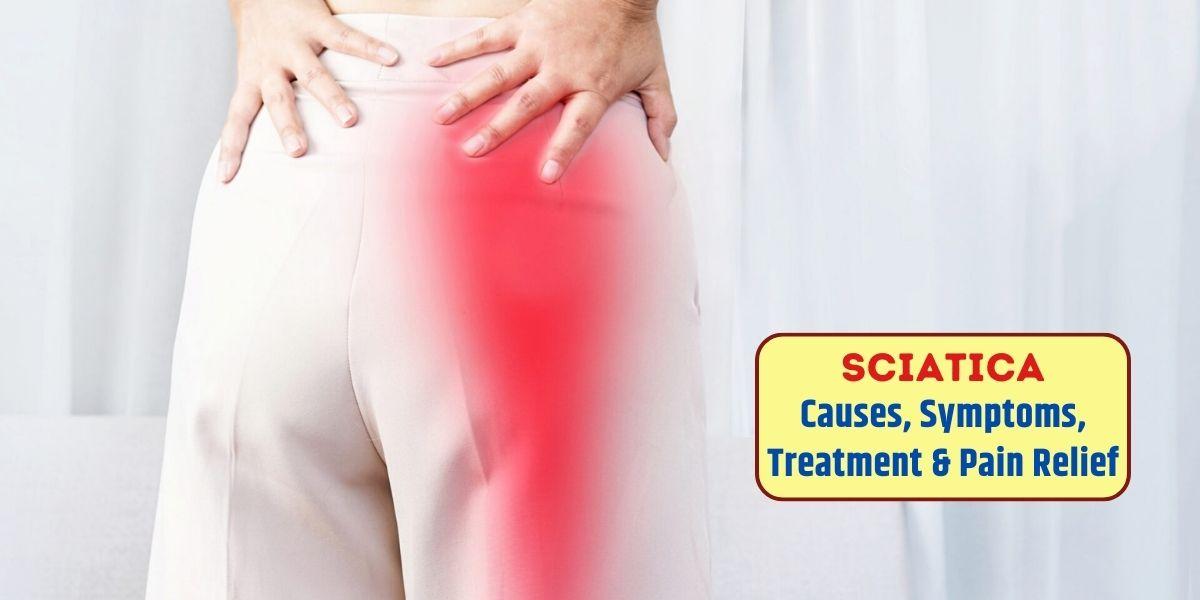
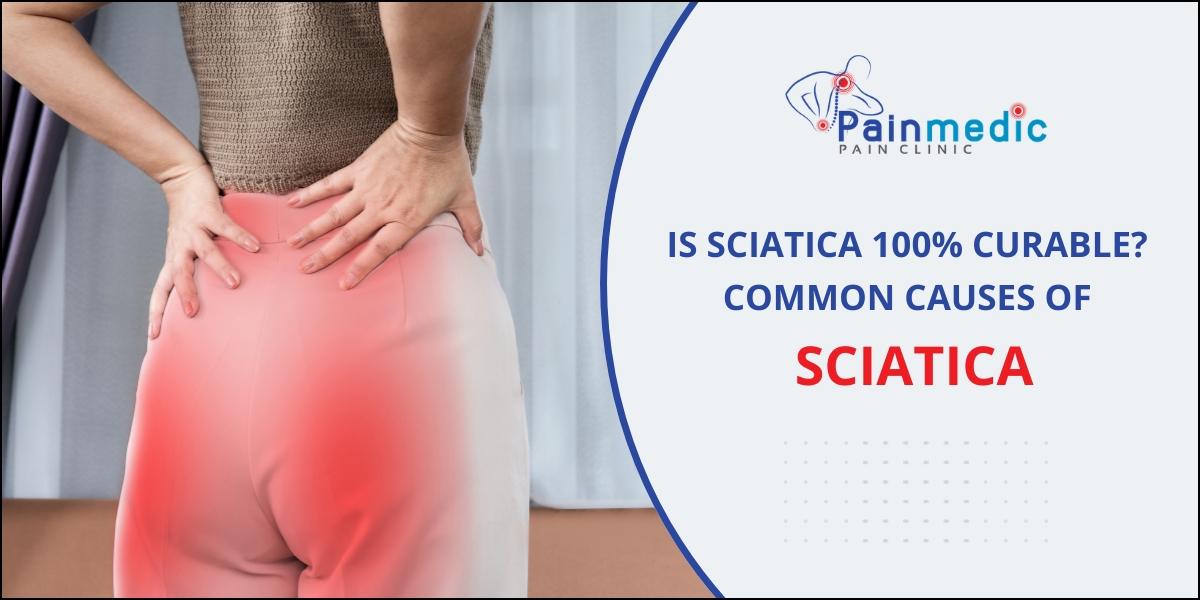
Sciatica is not a disease itself. It is a symptom caused by irritation or compression of the sciatic nerve, the largest nerve in the body. This nerve runs from the lower back through the hips and buttocks and down each leg.
Common symptoms include:
- Sharp or burning pain from the lower back to the leg
- Tingling or numbness in the leg or foot
- Weakness in the affected leg
- Pain that worsens while sitting or standing for long periods
- Difficulty walking or moving comfortably
The severity of symptoms varies from person to person.
Is Sciatica 100% Curable?
The good news is that many cases of sciatica can be completely resolved, especially when the cause is temporary, such as muscle inflammation or a mild slipped disc.
However, if sciatica is caused by chronic spinal conditions like severe spinal stenosis or advanced degenerative disc disease, the focus may be on managing symptoms and preventing recurrence rather than achieving a permanent cure.
In simple terms:
- Acute sciatica often improves within a few weeks with proper treatment.
- Chronic sciatica can usually be controlled effectively, allowing patients to live active, pain-free lives.
Early diagnosis greatly improves the chances of a full recovery.
Common Causes of Sciatica
Several conditions can irritate or compress the sciatic nerve.
Herniated Disc
A slipped or herniated disc is one of the most common causes of sciatica.
Spinal Stenosis
Narrowing of the spinal canal can put pressure on the sciatic nerve.
Degenerative Disc Disease
Age-related wear and tear can affect the discs between the vertebrae.
Piriformis Syndrome
The piriformis muscle in the buttock may compress the sciatic nerve, causing pain.
Injury or Trauma
Falls, accidents, or sports injuries may also trigger sciatica.
Identifying the exact cause helps doctors recommend the most effective treatment.
Treatment Options for Sciatica
Treatment depends on the severity and underlying cause.
Medications
Doctors may prescribe pain relievers, anti-inflammatory medicines, or muscle relaxants to reduce discomfort.
Physiotherapy
Stretching and strengthening exercises help reduce pressure on the sciatic nerve while improving flexibility and posture.
Lifestyle Changes
Maintaining a healthy weight, staying physically active, and avoiding prolonged sitting can significantly reduce symptoms.
Advanced Pain Management
When conservative treatments do not provide enough relief, advanced procedures such as nerve blocks or minimally invasive pain management techniques may be recommended.
Painmedic Clinic – Sciatica treatment in Pune provides comprehensive evaluation and evidence-based treatment options designed to relieve pain and restore mobility without unnecessary surgery whenever possible.
Surgery
Surgery is considered only in selected cases, especially if there is severe nerve compression, progressive muscle weakness, or loss of bladder or bowel control.
Can Sciatica Come Back?
Yes, sciatica can recur, especially if the underlying spinal condition remains untreated or healthy habits are not maintained.
You can reduce the risk by:
- Exercising regularly
- Strengthening your core muscles
- Maintaining proper posture
- Lifting heavy objects correctly
- Taking breaks from prolonged sitting
- Maintaining a healthy body weight
These preventive measures support long-term spinal health.
When Should You See a Doctor?
Seek medical attention if you experience:
- Pain lasting more than a few weeks
- Severe pain that limits daily activities
- Numbness or weakness in the leg
- Difficulty walking
- Loss of bladder or bowel control (this requires immediate medical attention)
Early evaluation can prevent complications and speed up recovery.
So, is sciatica 100% curable? In many cases, yes—especially when diagnosed early and treated appropriately. Even when complete cure is not possible because of chronic spinal conditions, modern treatments can effectively control pain, improve movement, and help you return to your normal lifestyle.
If you’re struggling with persistent leg or back pain, don’t ignore the symptoms. Painmedic Clinic – Sciatica treatment in Pune offers expert diagnosis and personalized treatment plans to help patients recover safely and reduce the chances of recurrence.
Frequently Asked Questions (FAQs)
1. How long does sciatica take to heal?
Most mild cases improve within 4 to 6 weeks with proper treatment and self-care.
2. Can sciatica go away without surgery?
Yes. Most patients recover without surgery through medications, physiotherapy, exercise, and lifestyle modifications.
3. Is walking good for sciatica?
Yes, gentle walking can help improve circulation, reduce stiffness, and support recovery when done within a comfortable pain limit.
4. What should I avoid if I have sciatica?
Avoid prolonged sitting, heavy lifting, sudden twisting movements, and poor posture, as these may worsen symptoms.
5. Where can I get expert care for sciatica in Pune?
If you’re looking for personalized and comprehensive care, Painmedic Clinic – Sciatica treatment in Pune provides expert evaluation and tailored treatment plans to help relieve pain and improve quality of life.